admagneto ·
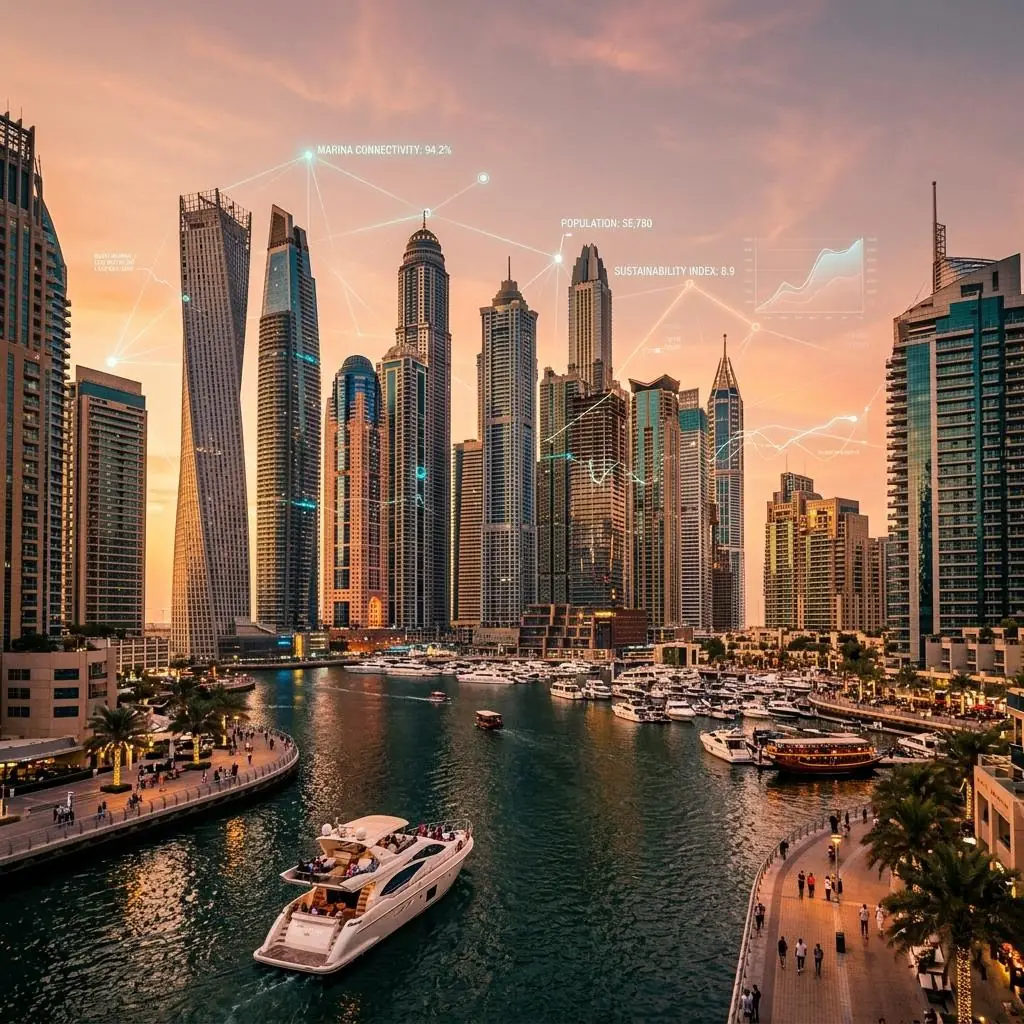
Dubai’s property conversation is crowded, so an India-based developer entering the UAE-facing market needs a sharper bridge than a generic NRI label. Start by defining the project’s fit for an overseas Indian buyer: access, family use, wealth planning, or a managed ownership journey. Choose one primary reason for each campaign and support it with approved, locally understandable proof.
For a 2026–2027 planning horizon, build a calendar around decisions rather than predictions. Map launch preparation, inventory priorities, site-visit windows, festivals, and internal legal reviews. Mark every statement that needs a current check, including pricing, approvals, taxes, financing, handover language, and cross-border payment instructions. Publish only what the relevant adviser and developer team have cleared.
Localisation is more than changing currency. Test English and relevant Indian-language variations with native reviewers, show the journey from a UAE enquiry to a response from the right team, and make time-zone expectations explicit. A concise WhatsApp path, a callback option, and a downloadable project brief help a remote buyer decide the next step without forcing a premature sales call.
Use separate creative roles across the funnel. A short location film can establish context, a floor-plan-led asset can answer practical questions, and a live or recorded walkthrough can make remote evaluation easier. Keep each asset connected to one landing page and one measurable enquiry action so the team can see where interest becomes conversation.
Do not buy confidence with unsupported claims about returns, demand, or urgency. Explain risks and eligibility where relevant, secure consent before marketing follow-up, and provide a clear opt-out. For 2026–2027, the strongest India-UAE playbook is a repeatable operating system: accurate creative, accountable partners, responsive service, and a review process that keeps cross-border communication trustworthy.