admagneto ·
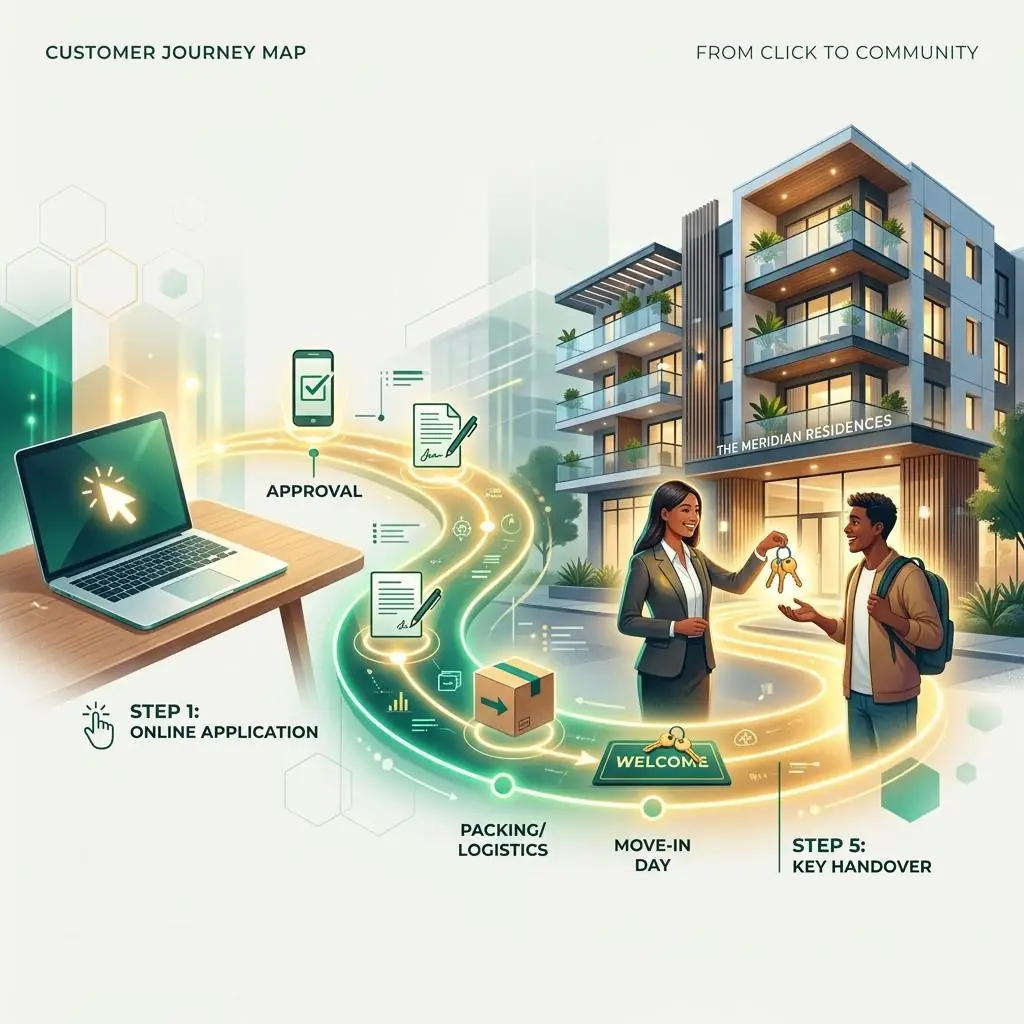
Customer journey mapping gives a real estate developer a shared view of what a prospect needs before a booking. The map follows the buyer from discovery through enquiry, qualification, visit, decision, documentation, handover and post-possession advocacy. Treat each stage as an experience to design and measure.
Start with evidence. Gather ad and search terms, landing-page questions, CRM notes, call recordings where consent permits, site-visit feedback and sales-team observations. A local end-user, an investor, an NRI family and a broker may respond to the same project for different reasons, so record their questions and decision roles separately.
For every stage, document the buyer’s task, question, proof required, preferred channel, owner and next action. Then mark friction: unclear pricing, slow replies, repeated forms, missing floor plans, inconsistent promises or an inaccessible site visit. Do not assume a new campaign can compensate for a broken handoff.
Turn the map into operating rules. Give each enquiry a source, consent status, interest and follow-up owner. Build message sequences around useful answers: location context, specifications, approvals, payment process, construction updates and visit logistics. Let buyers choose WhatsApp, phone or email, and make opt-out instructions visible. Automation should support a trained person, not disguise uncertainty or make eligibility decisions without review.
Create a small dashboard with stage movement, unanswered questions, appointment attendance, document requests and reasons for lost interest. Review it across teams. Qualitative notes matter: a recurring question may signal weak creative, unclear sales material or a product concern. Compare cohorts by source and buyer type without profiling protected characteristics.
Refresh the map after major project changes. Test one improvement at a time, such as a clearer enquiry form, a pre-visit checklist or a single owner for follow-up. Keep consent records and access controls alongside the map. A journey map earns its place when it helps teams remove friction while keeping communication accurate, respectful and useful.